BREITNER
History of the company
in Schwäbisch Hall
The roots of our company history
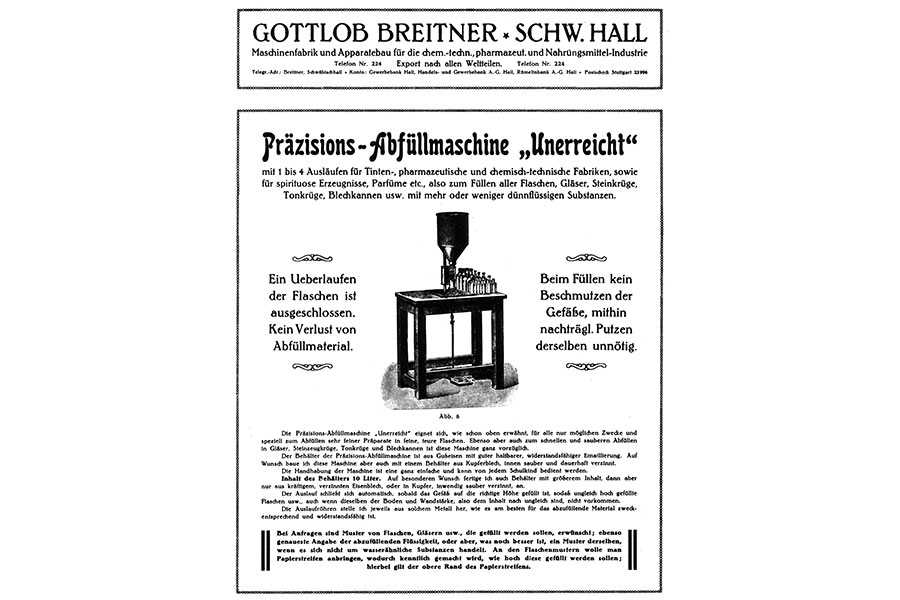
As early as the 1920s, Gottlob Breitner, the great-grandfather of today’s managing directors, had invented the first hand- and foot-operated apparatus for filling liquids.
The modern BREITNER company with a long tradition:
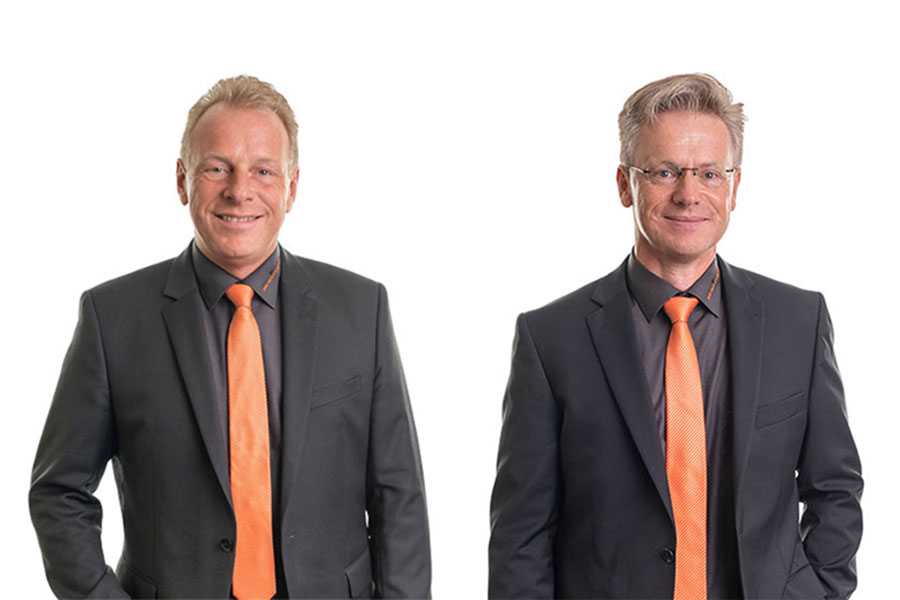
However, the foundation stone for today’s modern company was laid in 1961 by Hans Breitner, the grandfather of the current managing directors Volker and Achim Breitner. Since then, BREITNER has continuously developed as a packaging machine manufacturer specialising in the packaging of liquid products.
Continuity in more ways than one:
- For 60 years now, the company has grown steadily with its products, technologically always at the leading edge.
- Each generation has placed responsibility in the hands of the next.
- BREITNER has always remained true to its location in Schwäbisch Hall.
The following brief outline shows the milestones and formative people in our long history.
…
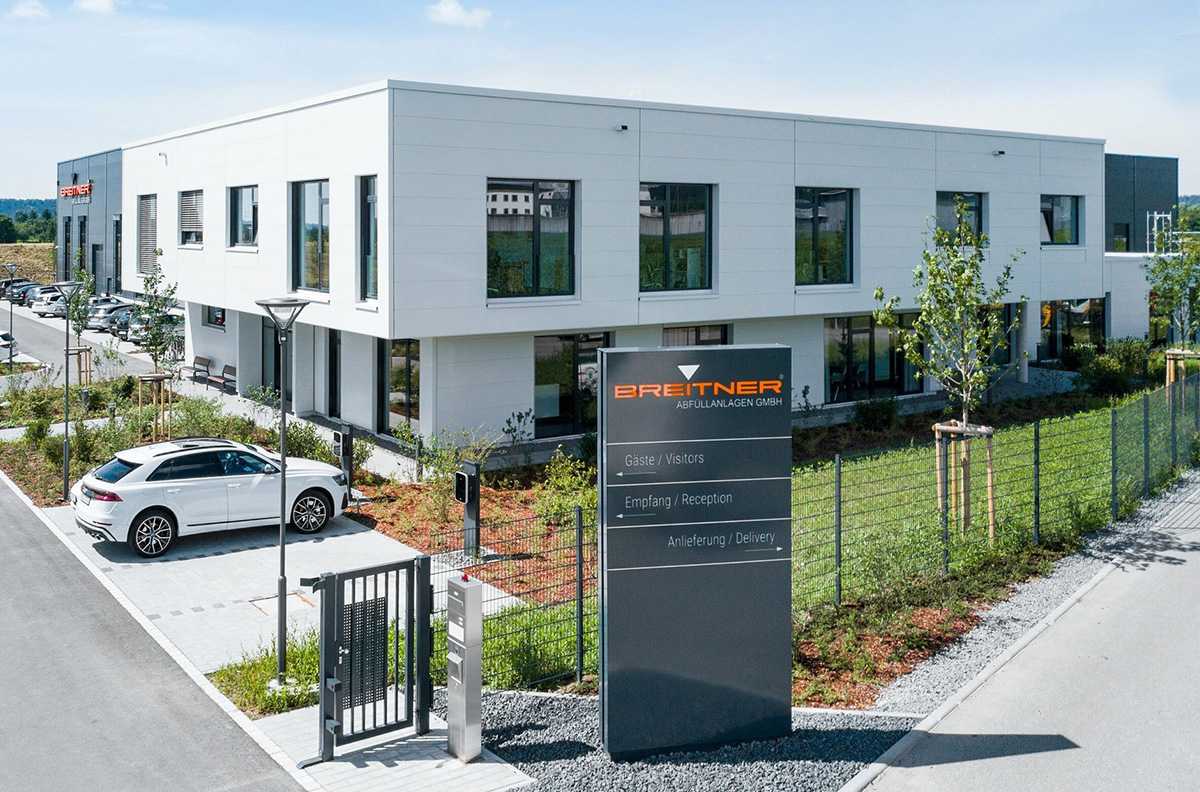
In 2021, the company celebrates its 60th anniversary. In line with this jubilee, the new company building is inaugurated in June 2021.
…
…
…
…
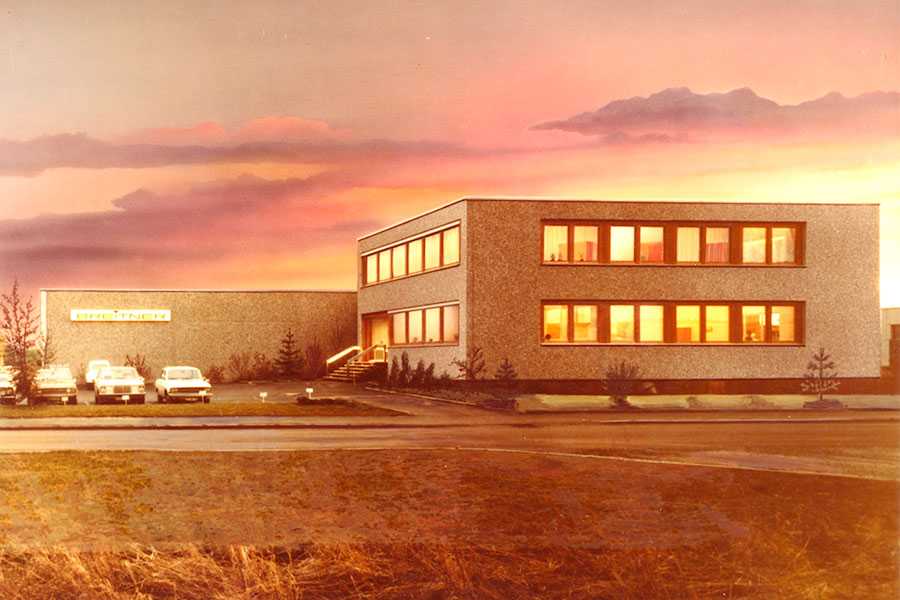
And so the company headquarters on Daimlerstraße also experienced several expansions, manufacturing capacities were expanded and the production halls were generously equipped with modern manufacturing machines – the latter a passion of Hans-Joachim Breitner.
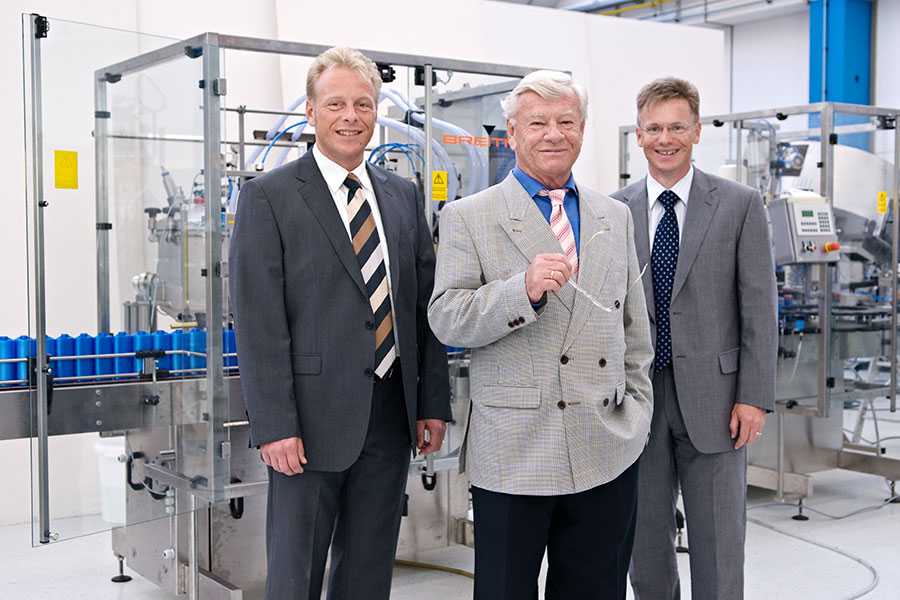
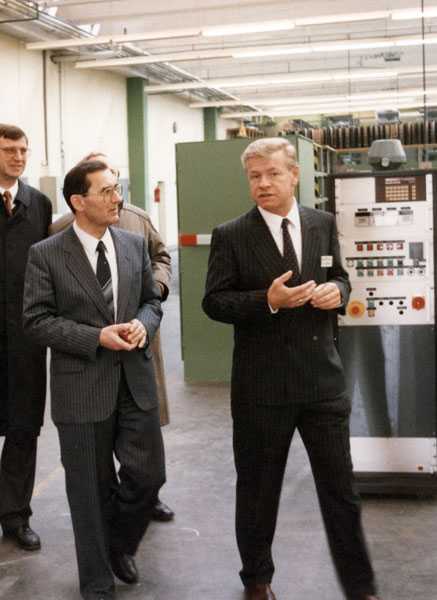
1979 was the year in which Hans-Joachim Breitner took over the helm completely and was appointed Managing Director. His father Hans now slowly withdrew from the operative business – after 18 years of intensive development work.
The expansion of production and assembly capacities shows how strongly the company expanded under Hans-Joachim Breitner’s leadership. Because after 13 more years, production was once again bursting at the seams.
…
The next generation:
Hans Breitner’s son, Hans-Joachim, had studied mechanical engineering and after graduating had been able to gain important experience in another company outside his parents’ business.
He had already joined the family business in 1967 and had worked with his father ever since.
…
…
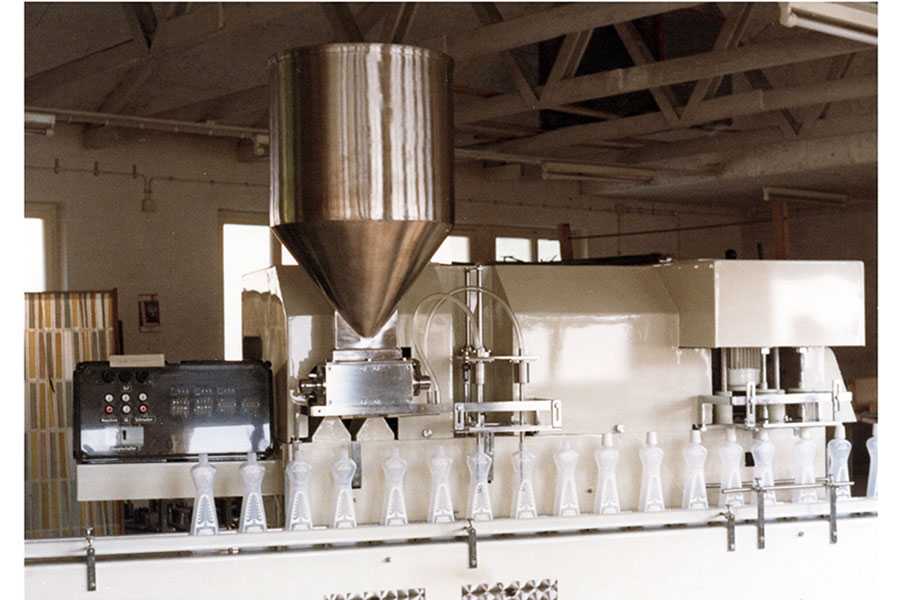
Hans Breitner was clearly successful in selling his filling machines as a packaging machine manufacturer. In order to be able to concentrate fully on mechanical engineering, he sold his electrical business in the same year, 1964.
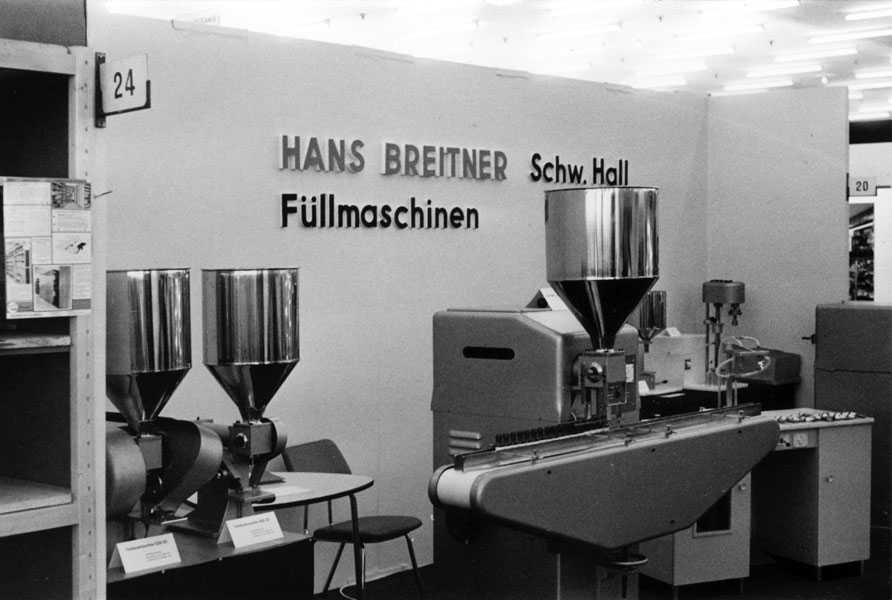
In the same year, 1964, Hans Breitner exhibited his filling machine at Anuga.
The company’s presence at indrofa 1964, the international trade fair for chemists in Cologne, continues to have an impact on the company today in the fields of chemistry, cosmetics and pharmacy.
In the 1960s, such a business transfer was announced in the daily press in a formal manner – that was the style of the time.

…
He was undoubtedly inspired by the ideas of his father, Gottlob.
The economic basis for founding the company was an electrical shop in Schwäbisch Hall, which supplied the inhabitants with electrical products such as washing machines, fan heaters and electric hair clippers for ladies’ hairdressers.

…
He invented and produced a hand- and foot-operated filling machine that met with much interest and great willingness to buy in small businesses, for example among pharmacists.
The operator controls the filling process via the pedal. This leaves his hands free to place the bottle under the filling tube. When the bottle is full, a flap closes the product outlet and prevents the operator from overflowing the bottle due to carelessness.
The brochure shows how the great-grandfather of today’s managing directors already put the benefit for the customer in the foreground: clean filling process, economical use of the filling product.
In the text, the brochure focuses on the variety of possible containers and products. Gottlob Breitner promises to respond individually and flexibly to customers’ special requests, e.g. regarding the container design.
From a marketing point of view, the name of the machine is “Unerreicht (Unrivalled) – we still take our hats off to this today.
Gottlob Breitner sold his now quite successful small company at the end of the 1920s.